Smart Agriculture
Agricultural meteorological monitoring — micro weather stations and environmental sensors for smart agriculture applications.
Key Products for Smart Agriculture
Factory-built meteorological and agricultural sensors engineered for long-term unattended field deployments. Solar power available as an optional external accessory.
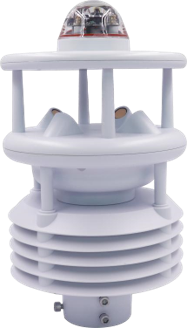
YF-2561 Six-Element Micro-Meteorological Instrument
Six-element micro weather station measuring temperature, humidity, pressure, wind speed, wind direction and rainfall. RS485 Modbus RTU interface with optional solar-powered operation for farmland, greenhouse and station-based monitoring. Supports integration with supplementary sensors for expanded measurements (smoke, light, etc.).
- Temperature, Humidity, Pressure
- Ultrasonic Wind Speed & Direction (no moving parts)
- Optical rainfall sensor
- Optional solar power supply
- RS485 · Modbus RTU
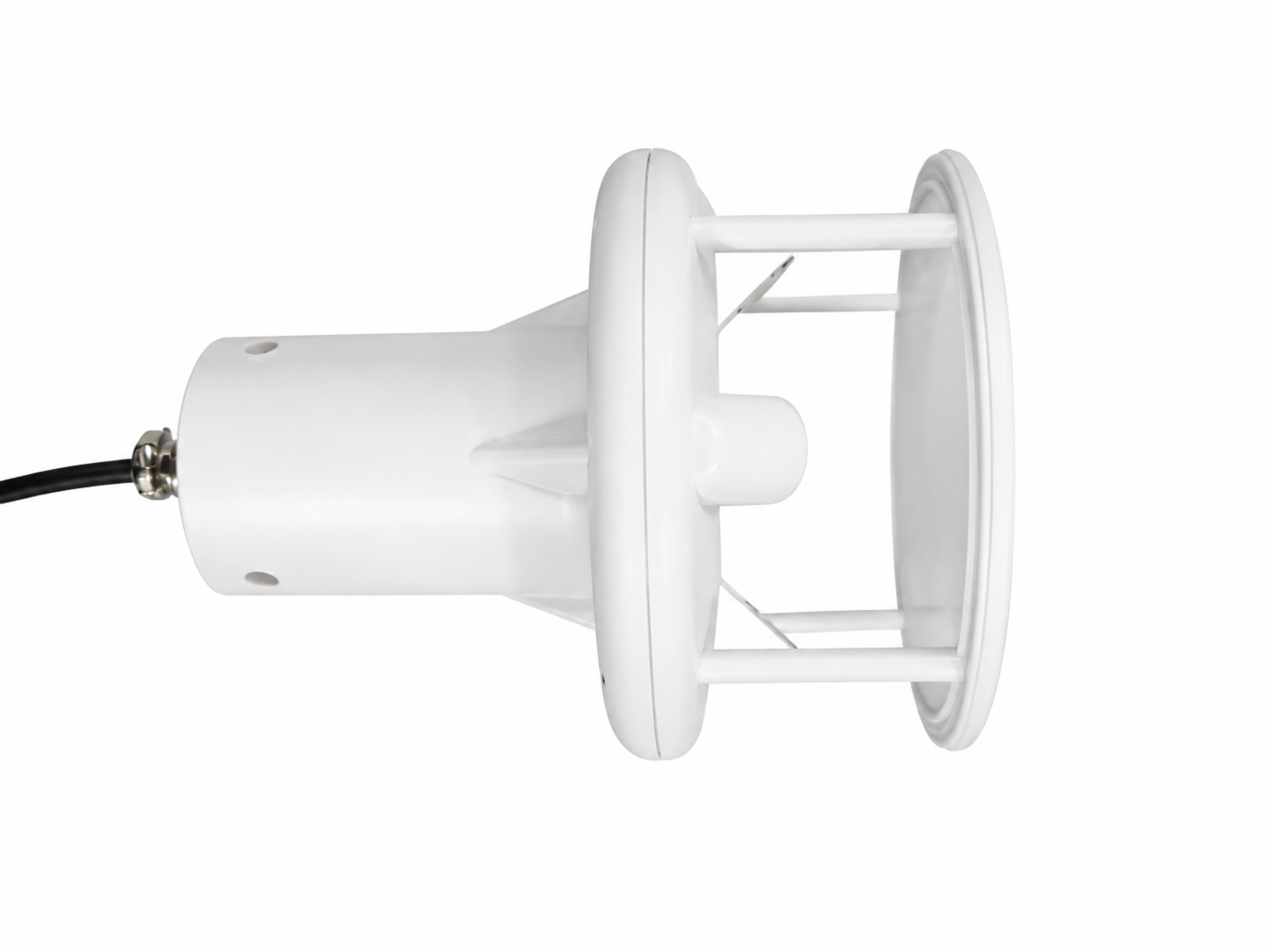
Ultrasonic Wind Speed & Direction
No-moving-parts ultrasonic anemometers for two-factor or five-factor meteorological monitoring. Low-maintenance and high reliability for harsh outdoor weather conditions.
- Wind Speed: 0~45 m/s (±0.1m/s±0.02×v)
- Wind Direction: 0~359° (±1°)
- IP65 protection rating
- ABS housing
- RS485 (Modbus-RTU)
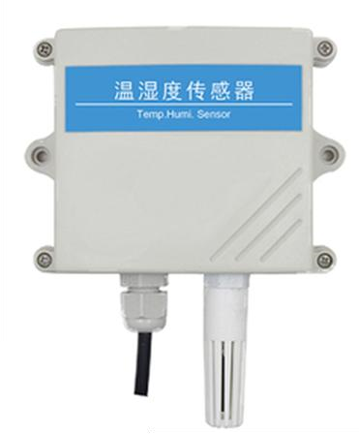
JC-WH01 Air Temperature & Humidity Sensor
High-accuracy air temperature and relative humidity probe for stations, greenhouses, buildings and industrial environments.
- Temperature: -30°C ~ +70°C (±0.2°C)
- Humidity: 0 ~ 100% RH (±3% RH)
- RS485 Modbus · 4-20mA · 0-5V/0-10V · SDI-12
Agricultural Meteorological Monitoring
An IoT-based agricultural meteorological monitoring system that collects field weather data from distributed stations and delivers it to a cloud platform for real-time visualization and alerting.
Real-Time Agricultural Intelligence
Agricultural meteorological monitoring can be built using our weather sensors and data transmission solutions — capturing micro-climate data across farmland and stations. Sensor data is collected and transmitted to the user's platform for real-time visualization, historical analysis and alarm notifications.
Agricultural Weather Data Collection
Micro weather stations and wind sensors capture temperature, humidity, pressure, wind speed and direction at high frequency in the field.
Data Transmission
Sensor data is collected from field devices and transmitted to your monitoring platform in real time.
Platform Integration & Alerts
Open APIs connect sensor data to your cloud platform for dashboards, reports and alarm notifications.
1. Sensor Node Deployment
Weather stations and environmental sensors installed at measurement points to form a monitoring network.
2. Data Transmission
Sensor data is collected and transmitted to the monitoring platform in real time.
3. Visualization & Alerts
Monitoring dashboards and automated alerts deliver real-time environmental insight.
Three Solution Components
Modern IoT technology has made it possible to deploy automated agricultural meteorological monitoring at scale. From sensor hardware to data transmission to platform integration, each layer works together to transform field environmental data into actionable insights.
Meteorological Data Collection
The first layer of IoT — the perception layer. Miniaturized, low-power sensors deployed across farmlands and greenhouse environments continuously capture micro-meteorological data that was previously impractical to monitor at fine spatial resolution. With ultrasonic anemometers and multi-element weather stations, real-time field conditions are digitized into structured data streams.
- 6-element stations — Temperature / Humidity / Pressure / wind / rainfall
- Ultrasonic wind — no moving parts, zero mechanical wear
- Solar-powered, autonomous field operation
Reliable Data Transmission
The second layer of IoT — the network layer. Data collected by field sensors is transmitted via the standard RS485 Modbus interface — through RS485-to-network converters (DTUs) — to data acquisition units or directly to cloud endpoints. Edge buffering ensures no data is lost even during temporary network outages, with automatic reconnection when connectivity is restored.
- Multiple network integration options via the standard RS485 interface
- Standard Modbus-RTU protocol for seamless integration
- Offline buffering & auto-reconnect for reliable delivery
Platform Integration & Data Service
The third layer of IoT — the application layer. Through open APIs and standard data formats, sensor data can be ingested into your existing cloud platform or third-party IoT system, enabling real-time dashboards, historical trend analysis, threshold-based alarms and integration with decision-support tools. This is where raw environmental data becomes actionable information.
- Real-time data dashboards via your platform of choice
- Configurable alarm notifications for threshold breaches
- Open APIs and standard protocols for easy integration
IoT & Smart Forestry
Against the backdrop of worsening global climate change and environmental crises, forest resource protection and management have become increasingly critical. Conventional forestry management modes fail to meet the demands of refined forest governance, calling for innovative technical solutions. IoT technology provides solid support for smart forestry — enabling real‑time monitoring and precise control over forest environments, vegetation growth, pests and diseases, improving management efficiency and facilitating sustainable development. This section covers the core applications: forest fire risk detection, pest outbreak monitoring and illegal logging prevention across protected reserves.
Forest Fire Monitoring
Core weather sensors and optional compatible smoke‑sensing devices deployed across high‑risk fire‑prone zones continuously collect temperature, humidity and smoke‑concentration data. Data is uploaded to cloud platforms for analysis. The platform supports integration with ML‑based fire risk prediction models, which leverage historical datasets and pattern recognition to predict fire risk and automatically trigger alarm signals to forest administrators and fire departments.
- Temperature & humidity + smoke sensing (external)
- Platform ML‑based fire risk prediction
- Drone & robot scouting (external integration)
- Automatic alarm dispatch
Pest & Disease Monitoring
Core weather sensors deployed across forest areas continuously measure temperature and humidity. Supplementary external sensors can capture light‑intensity data and support vegetation‑health and pest‑activity monitoring. The collected data is transmitted to cloud platforms, where the system supports integration with big‑data and AI algorithms to identify abnormal pest infestation risks, sending instant alerts for timely intervention.
- Temperature & humidity + light/vegetation (external)
- Platform AI‑based pest‑risk detection
- Drone patrol & spraying (external integration)
- Remote strategy adjustment
Illegal Logging Monitoring
Core weather sensors provide environmental data, while the platform supports integration with external RFID sensors, readers, infrared detectors and cameras installed around protected trees to detect abnormal sounds and movements. When logging activities are identified, the system triggers alarms and transmits real‑time footage to backend monitoring stations, notifying forest rangers and law‑enforcement officers for immediate intervention.
- RFID / infrared / camera (external devices)
- Real‑time footage cloud upload
- Ranger & law‑enforcement alert
- Evidence archive for prosecution
YF‑2561 Forest Environmental Monitoring Station
The YF‑2561 six‑element micro meteorological instrument is the core sensing node for forest environmental monitoring — measuring temperature, humidity, pressure, wind speed, direction and rainfall at fixed measurement points. These six parameters form the foundation for fire risk assessment, pest outbreak analysis and illegal logging detection. Users can integrate additional external sensors (smoke, light, vegetation indices) and third‑party drone or satellite data services with their cloud platform for broader monitoring coverage.
- Temperature / Humidity / Pressure
- Ultrasonic Wind Speed & Direction
- Rainfall intensity & cumulative
- Optional solar‑powered operation (external panel + battery)
- RS485 Modbus data interface
- IP65 environmental protection
These Solutions Are Enabled by IoT Technology
The agricultural meteorological and smart forestry scenarios described above represent system-level applications made possible by the rapid advancement of IoT (Internet of Things) technology. By combining JingChuang's sensors — ultrasonic anemometers, multi-element weather stations, and temperature/humidity probes — with RS485-to-network converters (DTUs), data acquisition units, and third-party cloud platforms, users can build customized monitoring systems. Our sensors provide the reliable data foundation; the integration layer and platform layer can be selected and configured according to your specific project requirements.
Deploy a Smart Agriculture Network
Tell us about your application — farmland weather stations, greenhouse climate, smart forestry or regional agricultural monitoring. Our engineers will recommend the right sensors and help you integrate with your data platform.
Request Monitoring Solution →